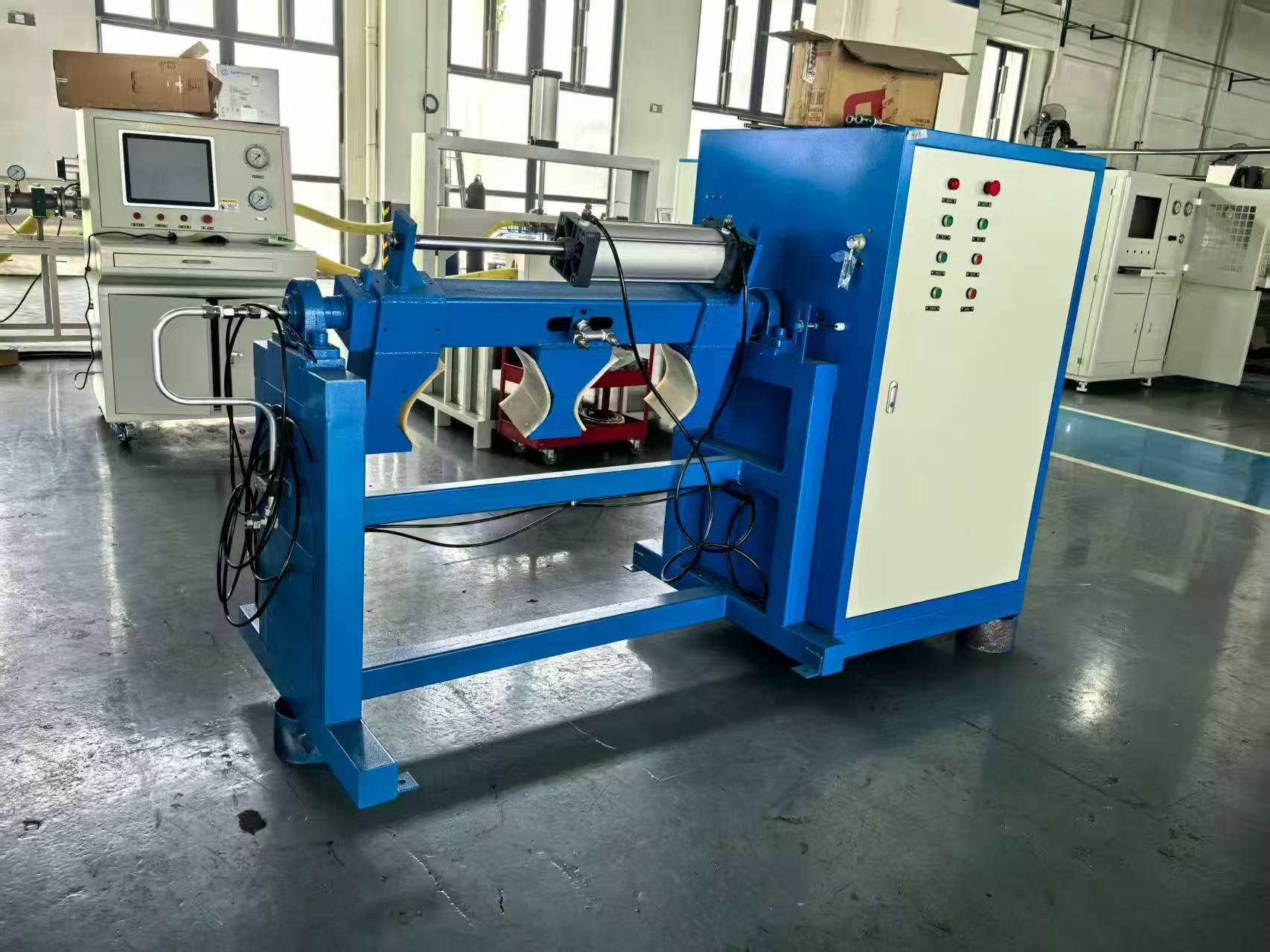
Gas Cylinder Refurbishment Line
A complete LPG cylinder processing solution that takes cylinders from intake through cleaning, hydrostatic testing, surface restoration and filling preparation—station by station, sized to your volume.
Request a Line Proposal Contact UsA gas cylinder refurbishment line is how serious plants stop treating requalification as a pile of unrelated machines. Used cylinders need valve work, internal cleaning, pressure testing and often exterior restoration before they look and perform like stock ready for commercial service. When those steps sit in random corners, cycle time grows, rejects mix with approved units, and filling halls inherit problems that should have been caught earlier.
This solution page is for factory owners, gas companies and international buyers who want one coordinated layout. It complements the product page for our cylinder refurbishment line with plant-level planning detail. Related routes include the LPG cylinder testing plant, the cylinder inspection center solution, the homepage solutions section and the blog.
Bring cylinder diameter mix, target cylinders per day and a rough floor sketch to the inquiry. Those inputs decide whether you need an essential three-station start or a standard line with blasting and painting in the first package.
Purchasing teams should also decide who owns water treatment, paint exhaust and residual-gas procedures. Machine supply alone does not finish a line project. When those boundaries are written into the quotation, installation moves faster and fewer arguments appear between the equipment vendor and the civil contractor. That clarity is especially important for first-time export buyers building an LPG cylinder processing hall from an empty slab.
Industry Challenges
Gas companies expanding capacity often discover that filling upgrades outpace maintenance capacity. Cylinders wait outdoors, rust advances, and agents complain about turnaround. Inspection centers serving multiple brands face mixed diameters and uneven operator skill. New investors hear “turnkey automatic line” from suppliers but receive little clarity on civil works, reject lanes or which station is the real bottleneck.
Disconnected stations
Cleaning, testing and painting purchased years apart create mismatched heights, voltages and transfer methods. Operators invent workarounds that slow the day.
Cosmetic work without inspection gates
Painting a cylinder that failed hydrostatic testing wastes paint and hides risk. Refurbishment without a pressure gate is incomplete.
Capital pressure vs. full-line dreams
Owners need a path that starts with safety-critical stations and adds surface modules when cash flow recovers—without redesigning the whole hall twice.
Dust from blasting and overspray from painting also compete with clean filling zones. Layout must separate dirty and clean areas. International buyers add another layer: local contractors handle pits and exhaust, while machine suppliers must specify utilities clearly so projects do not stall at installation.
Documentation is a commercial issue as much as a technical one. Fleet customers ask for proof of test and valve torque. A gas cylinder refurbishment line that cannot produce consistent records will lose those contracts even if the paint looks good.
Labor planning is another frequent gap. Blasting and painting need different PPE and skill profiles than hydrostatic testing. If the same crew must rotate without clear station ownership, quality drifts by afternoon. A workable line proposal assigns who runs cleaning, who owns the test bay and who releases cylinders to filling. That staffing note is as useful as the machine list when factory owners calculate real operating cost.
Complete Solution Overview
Our gas cylinder refurbishment line solution organizes proven machines into Essential, Standard and Integrated scopes. Essential covers valve handling, cleaning/drying and hydraulic pressure testing. Standard adds shot blasting and spray painting. Integrated connects calibration, optional leak detection and transfer to gas cylinder filling equipment.
The line is modular. You can keep an existing painting booth and only buy upstream inspection. Or you can start with testing and add blasting later. What stays consistent is the process order and the manufacturer interface for spare parts and training.
| Line Type | Core Stations | Best For | Next Step |
|---|---|---|---|
| Essential | Valve + Cleaning + Pressure testing | Compliance-first upgrade | Add blasting/painting |
| Standard | Essential + Blasting + Painting | Full visual refurbishment | Add calibration/leak check |
| Integrated | Standard + Calibration + Filling link | Bottling + maintenance under one roof | Carousel filling upgrade |
For buyers who only need inspection without cosmetics, start on the LPG cylinder testing plant page. For third-party centers focused on mixed fleets and records, also read the cylinder inspection center solution.
Utility design should be decided early. Cleaning and testing need water and drainage. Blasting needs media recovery and dust control. Painting needs airflow and curing space away from filling. Compressed air quality affects valve tools and some control valves. Listing these requirements beside each station prevents the common failure where machines arrive before pits, ducts or power drops are ready.
Equipment Included
- Valve loading and unloading machine — intake de-valving and final re-valving with torque control.
- Cleaning and drying machine — internal wash and hot-air drying before test or fill.
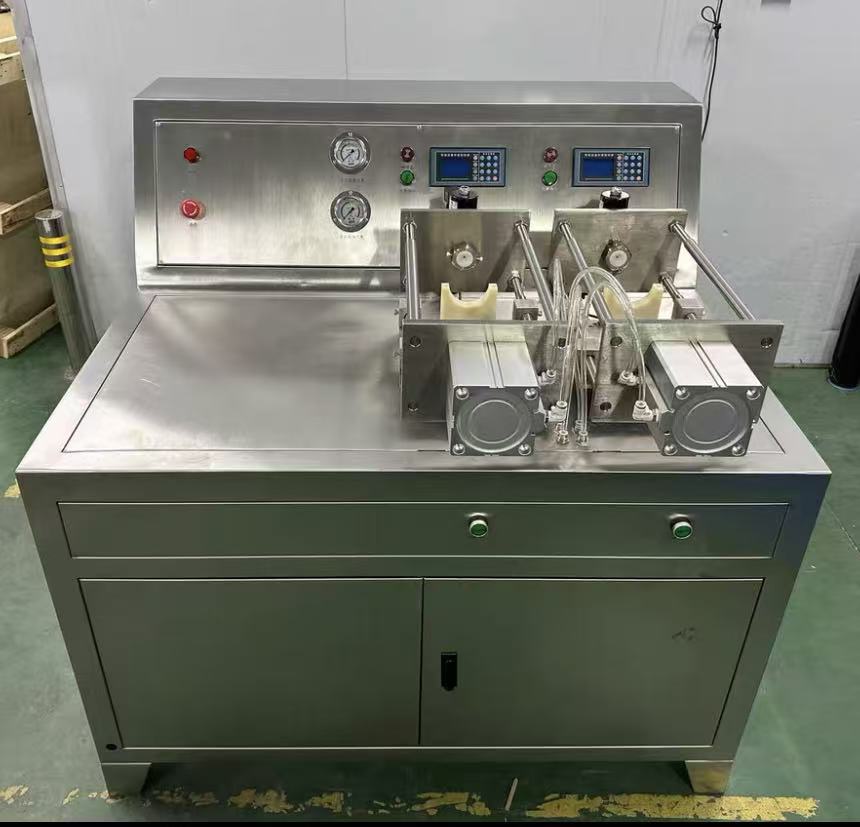
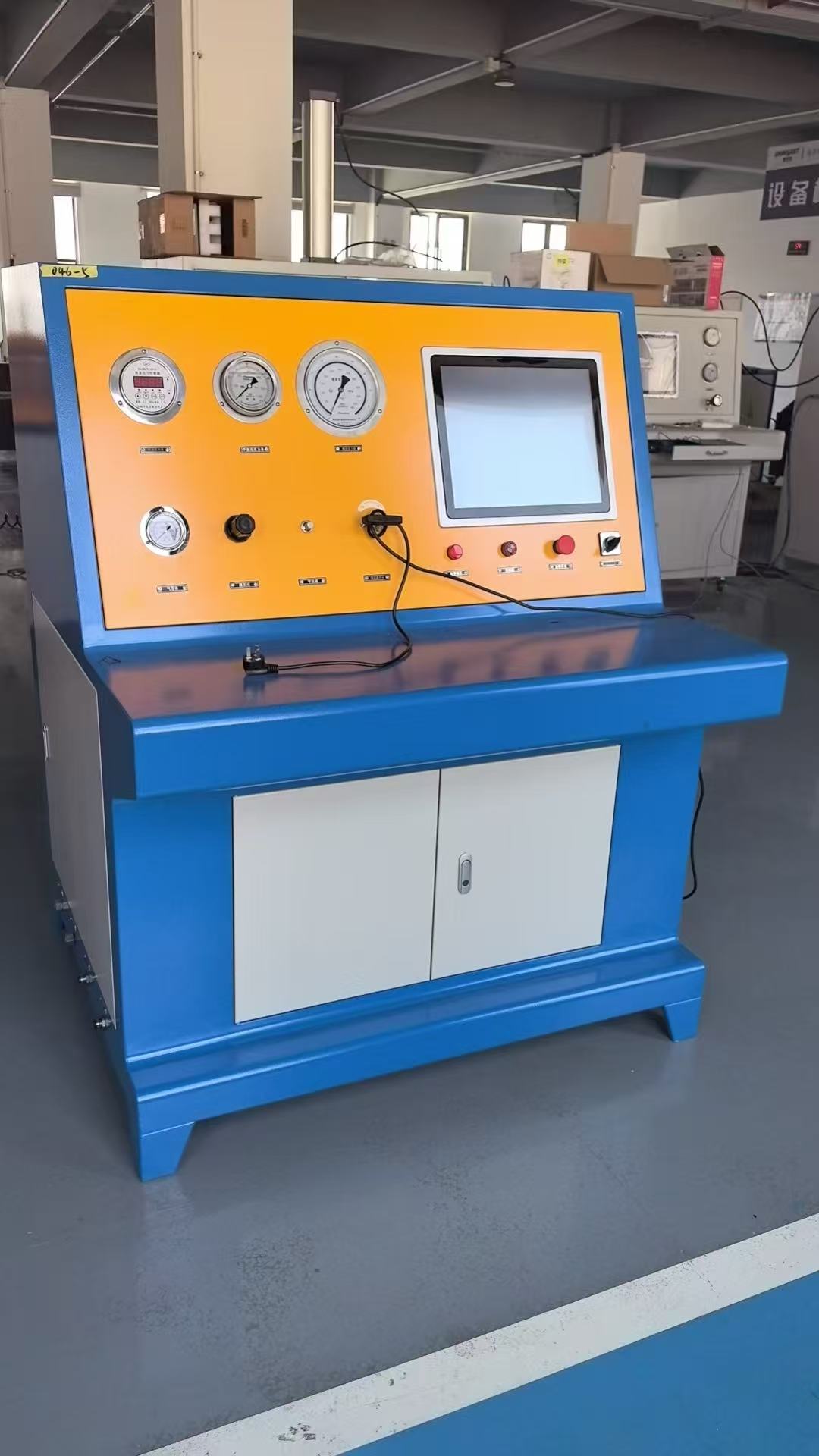
- Hydraulic pressure testing machine — hydrostatic inspection with PLC recipes and records.
- Shot blasting machine — exterior rust removal and paint preparation.
- Spray painting room — protective coating and color coding.
- Safety valve calibration stand — relief-valve verification.
- Helium leak detector (optional) — sealing checks for selected contracts.
- Gas cylinder filling equipment — downstream bottling after release from the line.
- High-pressure pump — utility support for testing and wash pressure where required.
Model tables and purchase notes live on each product page. The solution quote groups them into a station list with suggested sequence and utility notes. See also the product hub page for the cylinder refurbishment line.
Production Workflow
A practical gas cylinder refurbishment line workflow for LPG and industrial cylinders:
- Receive / sort / residual-gas handling according to local rules.
- De-valve and quarantine bad threads.
- Clean and dry internals.
- Hydrostatic test; divert failures immediately.
- Blast exteriors that need coating preparation.
- Paint and cure in the booth zone away from filling.
- Calibrate valves / re-valve and optional leak check.
- Release to filling equipment or storage; keep rejects separate.
Some plants blast before testing; others test first. Choose based on local practice and whether failed cylinders should consume blasting capacity. We document the chosen order in the proposal so civil and production teams share one sequence.
Throughput planning should identify the slowest station. Painting curing time or drying cycles often limit output more than the pressure test itself. Buying a larger booth without fixing drying creates a new queue. Workflow advice in the blog covers common bottleneck patterns.
Applications
LPG plant maintenance halls
Full processing from dirty intake cylinders to painted, tested stock ready for bottling.
Industrial gas requalification
Mixed fleets needing cleaning, hydrostatic testing and selective exterior restoration.
Combined factory projects
Investors building maintenance and filling together, with phased station purchase.
Export projects in Africa, the Middle East, South America and Southeast Asia use this solution when agents return large volumes of worn cylinders. Importers who must requalify stock before sale also use the same station logic. If your scope is inspection-only without painting, the testing plant solution may be the better first page.
Why Choose Our Solution
- Process-first quoting: Station order and reject lanes are part of the proposal, not an afterthought.
- Same-manufacturer interfaces: Cleaning, testing, blasting and painting talk to one support team.
- Honest phasing: Essential / Standard / Integrated scopes match real budgets.
- Link to filling: Approved cylinders can feed filling equipment without yard chaos.
- Buyer-ready documentation: Scope, utilities and recommended spares listed for purchasing managers.
We write for people who must defend CapEx to ownership. That means fewer slogans and more questions about diameter mix, aisle width and cylinders per day. Start from the homepage, open the product pages you need, then return here for the line-level decision.
After installation, measure success with three numbers: cylinders released per day, percentage of rework after painting or valve fit, and how many jobs leave with complete test records. If those metrics improve, the gas cylinder refurbishment line is doing its job. If paint looks better but test backlog grows, rebalance stations before buying more cosmetic capacity.
FAQ
What is a gas cylinder refurbishment line?
A sequenced set of machines that restores used cylinders through valve work, cleaning, hydrostatic testing, optional blasting and painting, calibration and filling preparation.
Is this solution suitable for LPG cylinder processing?
Yes. LPG plants and maintenance contractors use these lines to requalify and restore cylinders before bottling.
Can the line be built in phases?
Yes. Start with valve, cleaning and testing; add blasting, painting, calibration and filling links as volume grows.
How does this differ from an LPG cylinder testing plant?
A testing plant focuses on inspection. A refurbishment line also covers exterior restoration and usually plans a stronger filling link.
What workshop data do you need for a line proposal?
Dimensions, trolley routes, diameter mix, daily volume, power, compressed air, and whether filling shares the building.
Who handles civil works for painting and foundations?
Usually the buyer or local contractor, unless the quotation states otherwise. We supply machines, packing and remote guidance.
Where can I see individual machine specifications?
Use the product links under Equipment Included, or the dedicated product page.
Related Products & Resources
Request a Gas Cylinder Refurbishment Line Proposal
Share workshop size, cylinder range and daily output. We will recommend Essential, Standard or Integrated scope.
Submit Inquiry