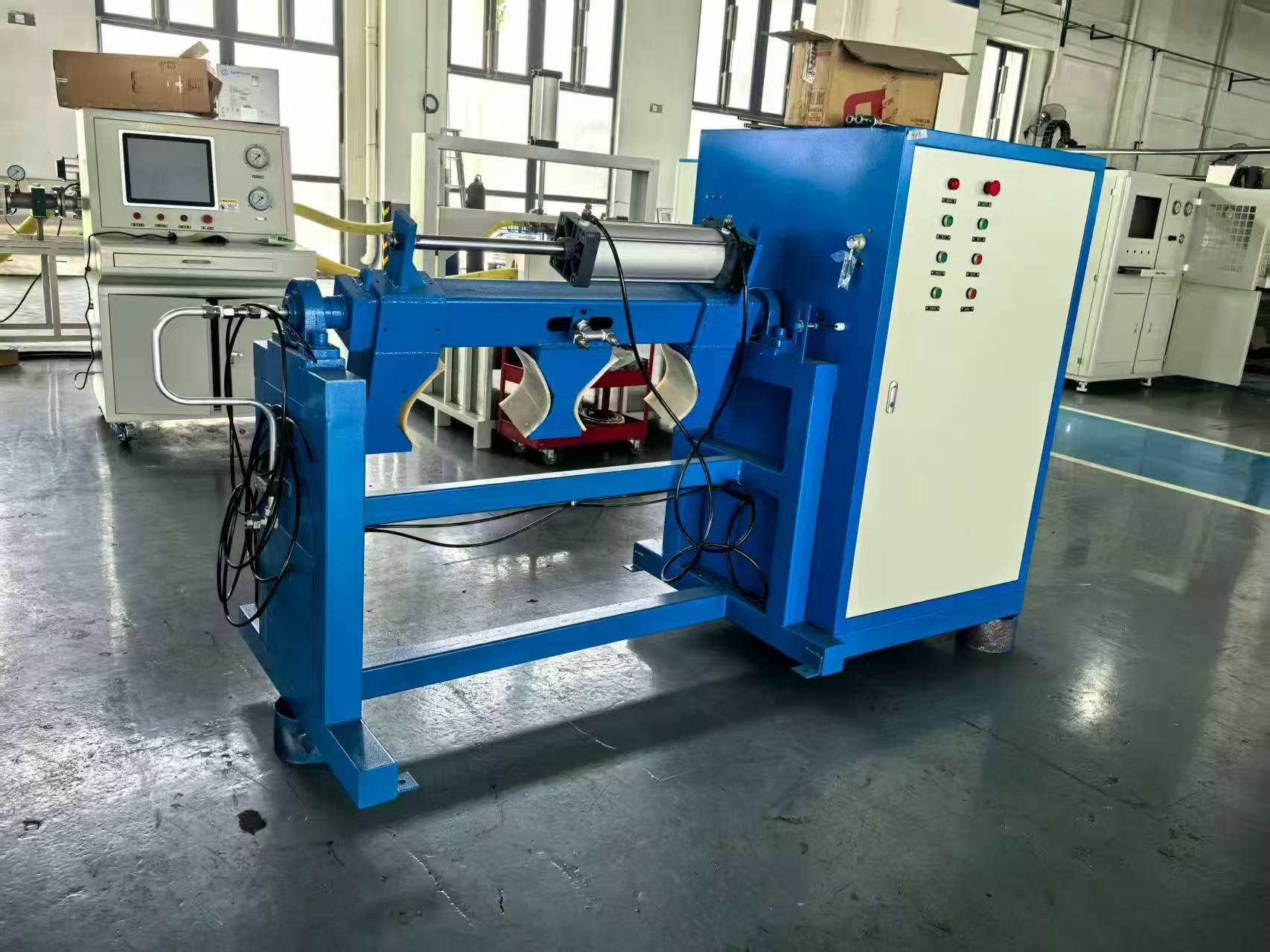
Cylinder Refurbishment Line for Gas Cylinder Plants
Manufacturer of cylinder refurbishment lines that organize intake, cleaning, hydraulic pressure testing, surface restoration and filling preparation into one workable plant flow.
Request a Quote Contact UsA cylinder refurbishment line is the investment choice when used cylinders must return to service with documented checks, not ad-hoc work in separate corners of the yard. Factory owners and purchasing managers look for a station list that matches real diameter mix, daily volume and available floor space. Oversized conveyors waste capital; missing inspection gates create safety risk. We configure lines from machines we already manufacture, so interfaces and spare-parts talk stay with one team.
International projects in Africa, the Middle East, South America and Southeast Asia often release budget in phases. An essential package of valve work, cleaning and hydraulic pressure testing can start first. Shot blasting, painting and filling links follow when volume justifies them. Use this page with our homepage and solutions overview to decide scope before you send drawings.
If you already shortlisted a single hydraulic pressure testing machine or gas cylinder filling equipment, this line page shows how those units sit in a full layout instead of remaining isolated purchases.
What is a Cylinder Refurbishment Line
A cylinder refurbishment line is a planned sequence of machines that takes in used gas cylinders, removes or installs valves, cleans and dries internals, runs hydrostatic pressure testing, restores exterior surfaces when required, and prepares approved cylinders for filling or storage. Rejects leave the flow at clear diversion points instead of mixing with ready stock.
Unlike buying unrelated machines from several suppliers, a line quote defines order of stations, transfer method and which utilities each unit needs. That clarity helps civil contractors, electrical teams and production managers work from the same scope. It also reduces the chance that painting capacity is oversized while testing remains the real bottleneck.
We assemble lines from proven units: valve handling, cleaning and drying, hydraulic pressure testing, shot blasting, spray painting, calibration and optional leak detection. Buyers may order a complete package or an essential three-station start. Either way, the commercial goal is the same—more cylinders back in service with records your customers and inspectors can review.
| Line Type | Core Stations | Best For | Expansion Path |
|---|---|---|---|
| Essential Line | Valve + Cleaning + Hydraulic pressure testing | Safety compliance upgrade | Add blasting/painting later |
| Standard Line | Essential + Shot blasting + Painting | Full visual refurbishment | Add calibration/leak check |
| Integrated Line | Standard + Calibration + Filling link | Plant with bottling + maintenance | Carousel filling upgrade |
Applications
LPG Plant Maintenance Areas
LPG companies clean, test and repaint cylinders before they return to bottling halls and city distribution routes.
Industrial Gas Requalification Centers
Third-party workshops process mixed fleets and need repeatable records across shifts and customer contracts.
New Combined Factories
Investors building maintenance plus filling under one roof request staged lines that can grow with demand.
In markets still using partly manual methods, a defined line cuts dependence on individual operator habits and creates checkpoints for pressure and cleanliness. Larger plants may need more automation, dust control and paint-booth exhaust. The station list stays similar; capacity and transfer methods change.
Importers who must requalify stock before local sale, and energy companies with captive fleets, also use this layout. Whenever cylinders leave and re-enter service often, a dedicated refurbishment flow protects reputation and lowers incident risk at the filling stage.
Key Features
- Modular stations: Buy only the machines your plant needs in the current budget cycle.
- Process continuity: Reduce repeated lifting and cross-traffic between disconnected work areas.
- Inspection gates: Place hydraulic pressure testing and calibration where rejects can be diverted.
- Surface options: Add shot blasting and painting when visual refurbishment is required.
- Filling preparation: Link approved cylinders to gas cylinder filling equipment or storage lanes.
- Export project support: Layout notes, packing plans and remote commissioning guidance.
- Clear operator roles: Station tasks are easy to assign after short onboarding.
Score features by flow, not catalog appearance. A booth that blocks trolley movement creates a new bottleneck. We prioritize aisle width, staging space and utility routing so the line stays workable after installation.
Technical Advantages
| Line Concept | Modular stations based on proven single machines |
|---|---|
| Core Inspection | Hydraulic pressure testing with optional leak and valve calibration |
| Cleaning Stage | Internal cleaning and drying before inspection or filling |
| Surface Stage | Shot blasting and spray painting as optional modules |
| Utilities | Configured for industrial power and plant compressed air where required |
Buying major stations from one manufacturer simplifies spare parts, document language and control habits for your local engineering team. Cleaning, testing and painting no longer arrive as unrelated black boxes with conflicting mounting or voltage assumptions.
A common sequence uses a valve loading and unloading machine, cleaning and drying machine, hydraulic pressure testing machine, optional shot blasting and spray painting room, then calibration and return to filling. Size each station independently so painting does not outrun inspection capacity.
Lead time follows station count. An essential three-station package ships sooner than a fully conveyed integrated line. Quotations state which machines are included, which civil works stay with the buyer, and which spare parts to stock for year one.
Complete Gas Cylinder Processing Solution
Treat the cylinder refurbishment line as the bridge between used-cylinder intake and commercial filling. Integration points usually include:
- Upstream: Receiving, sorting and residual-gas handling procedures
- Midstream: Cleaning, hydraulic pressure testing, surface repair and valve work
- Downstream: Transfer to gas cylinder filling equipment or quarantine for rejects
Buyers comparing single machines on the hydraulic pressure testing or filling equipment pages should return here when the inquiry mentions a complete plant, turnkey workshop or requalification center. Cross-links keep technical selection tied to capital planning.
For market-level process wording, read complete gas cylinder processing solutions on the homepage, then request a line proposal with cylinder sizes and target cylinders per day. Clear numbers produce better station lists than a generic “full automatic line” request. Path for your team: home → this solution page → related product pages → inquiry.
FAQ
What machines are included in a cylinder refurbishment line?
A typical line can include valve unloading, cleaning and drying, hydraulic pressure testing, shot blasting, spray painting, valve reinstallation, safety valve calibration and optional leak detection before filling.
Can we build the line in phases?
Yes. Many buyers start with cleaning and hydraulic pressure testing, then add surface treatment and filling integration as volumes grow.
Is a cylinder refurbishment line suitable for LPG plants?
Yes. LPG plants and maintenance contractors use these lines to requalify cylinders and prepare them for safe return to filling service.
What workshop information do you need for a line proposal?
Share workshop length and width, crane or trolley paths, cylinder diameter mix, target cylinders per day, available power and compressed air, and whether filling will sit in the same building.
Who is responsible for civil works and utilities?
Machine supply, packing and remote commissioning guidance are on our side. Foundations, pits, painting exhaust ducts and local electrical connection are normally arranged by the buyer or local contractor unless stated otherwise in the quotation.
Related Products
Request a Cylinder Refurbishment Line Proposal
Share workshop size, cylinder range and daily output. We will recommend an essential, standard or integrated line scope.
Submit Inquiry