LPG Cylinder Testing Plant Solution
Plan an LPG cylinder testing plant that turns used cylinders into documented, inspection-ready stock before they return to bottling. Built for gas companies, factory owners and inspection centers that need clear stations—not scattered tools.
Request a Plant Proposal Contact UsAn LPG cylinder testing plant is the inspection backbone of a bottling or distribution business. Cylinders leave the market dirty, overdue for check, or with valves that need replacement. If those units return to filling without a controlled process, the plant carries product loss risk, safety exposure and weak records when customers or authorities ask for proof. This solution page explains how to organize valve handling, cleaning, hydrostatic testing and calibration into one workable flow.
International buyers usually compare single machines first, then realize layout and sequence decide daily output. A hydraulic pressure testing machine alone cannot fix wet or contaminated cylinders. Cleaning without a pressure gate cannot prove structural integrity. We help factory owners and purchasing managers define the minimum plant for launch, then show which modules can wait. Related reading is on our homepage, the gas cylinder refurbishment line page, and the blog.
Use this page when your inquiry mentions LPG requalification, periodic inspection, or a dedicated testing hall next to filling. Share cylinder diameters, target cylinders per day and workshop size so the quotation lists real stations instead of a vague “turnkey plant” claim.
Industry Challenges
LPG distributors and gas companies face the same operational friction across regions. Cylinders arrive mixed by diameter and condition. Operators may still rely on tribal knowledge for clamping, pressurization and pass/fail decisions. Paper records go missing between shifts. Filling halls then receive cylinders that should have been diverted for scrap or repair.
Scattered inspection work
Valve removal, washing and pressure testing sit in separate corners. Trolleys cross paths, waiting time rises, and nobody owns the full cycle time.
Weak pressure documentation
Without PLC recipes and pressure-time records, requalification depends on who ran the shift. Fleet customers and auditors need better evidence.
Unsafe shortcuts under volume pressure
When demand peaks, plants skip drying, shorten hold time or reuse damaged valves. An organized testing plant makes those shortcuts visible and harder to hide.
Budget is another challenge. Many owners cannot fund blasting booths and carousel filling in year one. They still need a credible LPG cylinder testing plant for compliance and brand protection. A staged design—essential inspection stations first—solves that capital constraint without freezing the project for years.
Export markets add voltage, training and spare-parts questions. Local technicians must start production after remote guidance. That requirement shapes how we specify controls, manuals and recommended seal kits for hydraulic testing and cleaning systems.
Complete Solution Overview
Our LPG cylinder testing plant solution is a modular inspection line. It receives cylinders from the yard or from emptying, removes valves, cleans and dries internals, runs hydrostatic pressure testing, calibrates safety valves when required, and releases approved units toward filling or storage. Rejects leave at defined diversion points.
Compared with a full gas cylinder refurbishment line, this plant prioritizes safety and cleanliness over exterior cosmetics. Shot blasting and painting can be added later or linked from an existing booth. Compared with a pure cylinder inspection center layout, the LPG version assumes frequent return to commercial bottling, so transfer to gas cylinder filling equipment is planned early.
| Plant Focus | LPG requalification and inspection before filling |
|---|---|
| Core Stations | Valve + cleaning/drying + hydraulic pressure testing + calibration |
| Optional Modules | Leak detection, shot blasting, painting, filling link |
| Typical Buyers | LPG companies, bottling plants, third-party inspection workshops |
| Expansion Path | Essential plant → standard surface modules → integrated filling |
Scope is confirmed after we review cylinder mix and daily volume. A depot handling 80 cylinders/day needs different staging than a regional plant targeting several hundred. We size fixtures and recommend whether one testing machine is enough or whether a second bay is required for peak days.
Equipment Included
Stations can be purchased as a package or in phases. Each link below opens the product detail page for model data.
- Valve loading and unloading machine: Controlled de-valving and re-valving with torque ranges suited to common LPG threads.
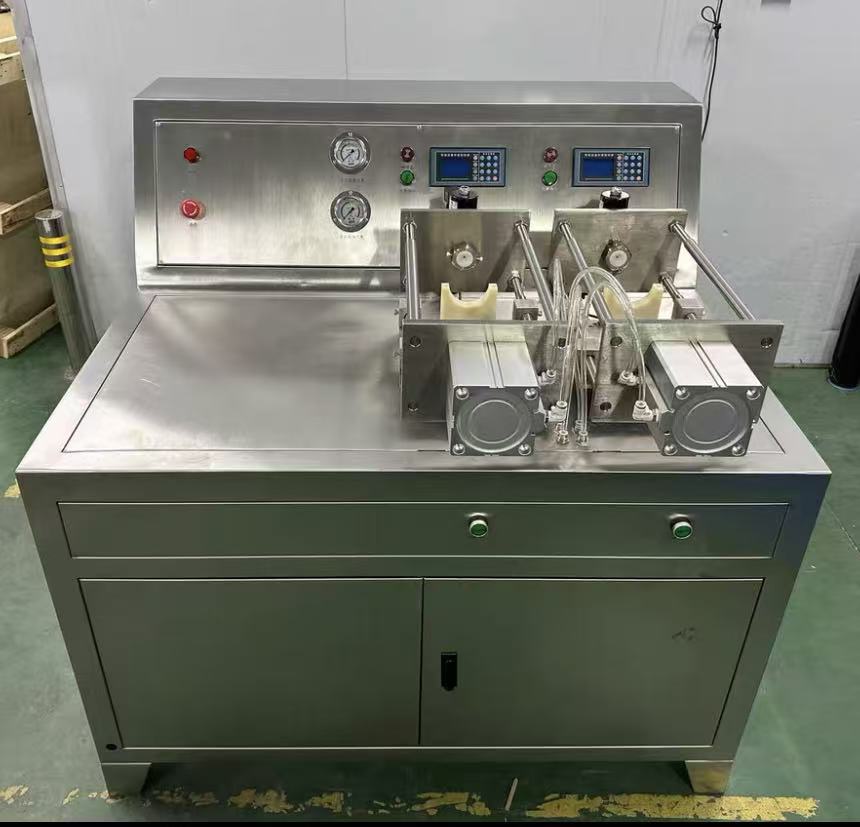
- Cleaning and drying machine: Internal wash and hot-air drying so residue and moisture do not enter the test or fill step.
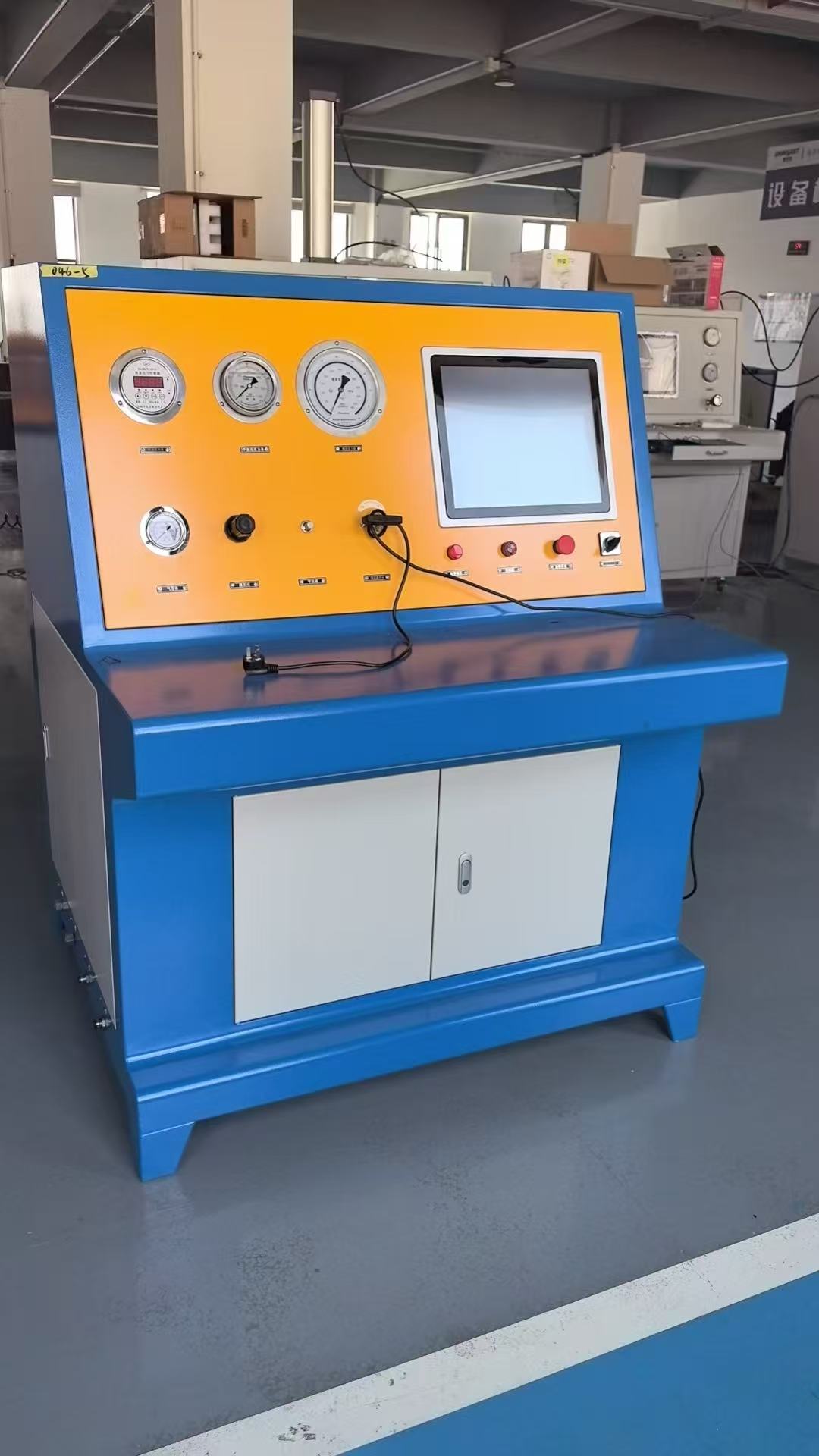
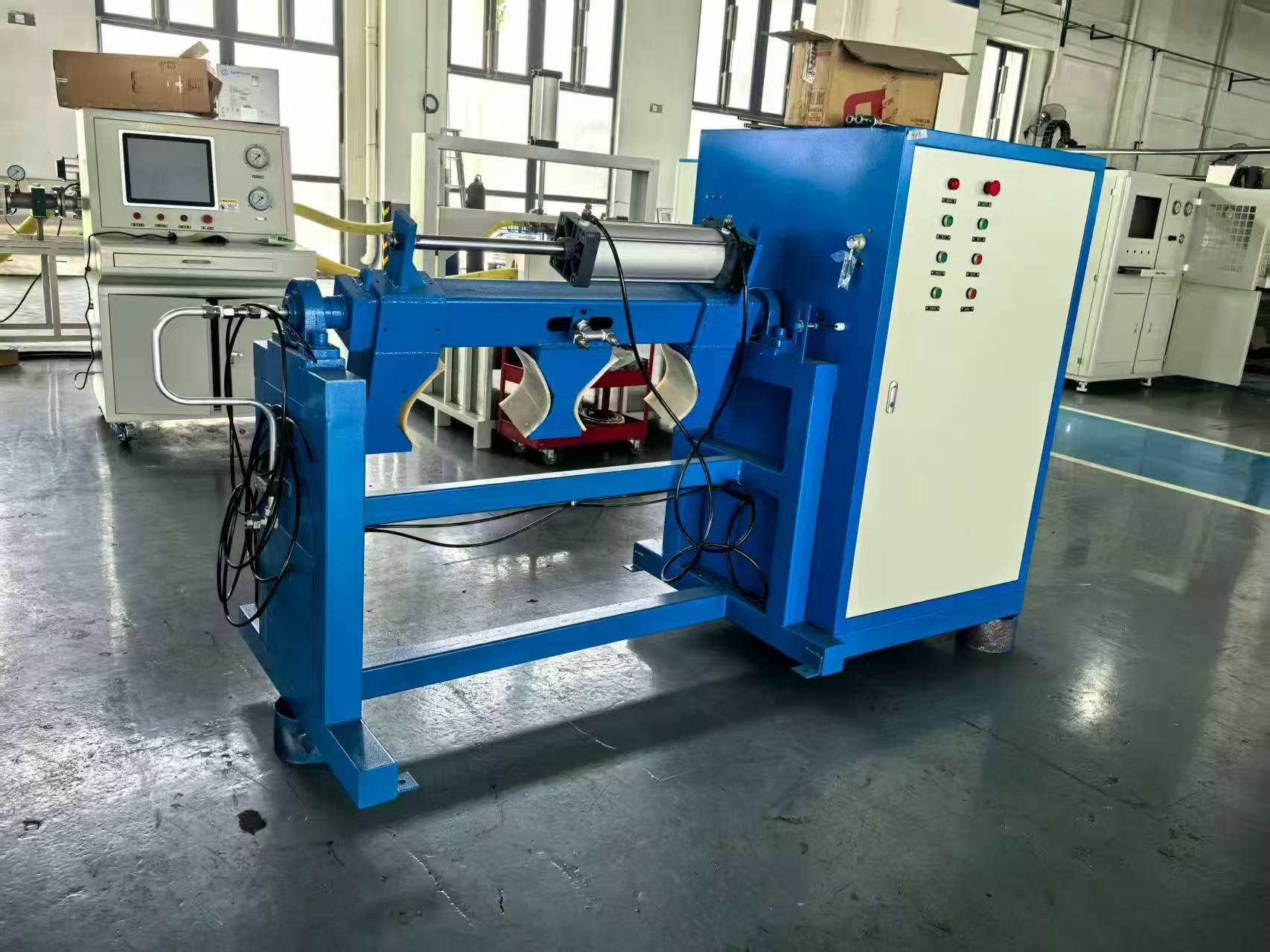
- Hydraulic pressure testing machine: Hydrostatic proof testing with PLC ramp/hold/release and inspection records.
- High-pressure pump: Matched to test pressure and cycle speed when the testing package needs a dedicated pump.
- Safety valve calibration stand: Opening-pressure checks for relief valves before cylinders return to service.
- Helium leak detector (optional): Higher-sensitivity sealing checks for selected fleets or premium contracts.
- Gas cylinder filling equipment (downstream): Bottling after cylinders pass the testing plant gates.
Surface modules such as shot blasting and a spray painting room are available when the LPG plant also wants visual refurbishment. Those belong more strongly to the refurbishment-line solution but can share the same manufacturer interface.
Production Workflow
A typical LPG cylinder testing plant workflow looks like this. Exact order can shift with local residual-gas rules and yard layout.
- Receive and sort: Separate by diameter, mark damaged units, confirm residual gas handling procedures.
- De-valve: Remove valves on the valve machine; quarantine damaged threads.
- Clean and dry: Internal wash and hot-air drying until moisture targets are met.
- Hydrostatic test: Water fill, controlled pressurization, hold, release, record result.
- Calibrate / re-valve: Check safety valves, install approved valves with recorded torque.
- Release or reject: Approved cylinders move to filling or storage; rejects go to repair or scrap lanes.
Cycle time depends on diameter, drying temperature, hold period and how many cylinders share a test bay. During quotation we estimate rough throughput so purchasing managers can compare labor plans. If drying is slow, adding capacity there often unlocks more output than buying a second testing machine too early.
For plants that also paint cylinders, insert blasting and coating after a successful pressure test—or before, if your local practice requires exterior work first. Keep inspection gates visible so non-conforming cylinders never enter the filling hall unnoticed.
Applications
LPG bottling companies
Own-fleet requalification next to filling, with clear transfer of approved cylinders into the bottling area.
Regional gas distributors
Depots that collect cylinders from agents and need a controlled testing plant before redistribution.
Third-party inspection workshops
Centers serving multiple LPG brands that need repeatable records and mixed-diameter fixtures.
New factory projects in emerging markets often build filling first, then discover inspection backlog. Adding an LPG cylinder testing plant beside the filling hall corrects that imbalance. Mature plants use the same solution to replace improvised pumps and undocumented hold times.
Industrial gas sites that also handle LPG packages can share cleaning and testing bays when diameters overlap. Confirm gas zoning and residual handling before combining flows. More application notes appear in our blog and on the cylinder inspection center solution page.
Why Choose Our Solution
- One process owner: Valve, cleaning, testing and calibration stations come from the same manufacturer platform.
- Staged investment: Launch with essential inspection, expand to surface treatment or filling later.
- Plant-floor design: Layout discussion covers trolleys, reject lanes and operator access—not only machine catalogs.
- Export project habits: Voltage options, packing and remote guidance for international installation teams.
- Clear quotation scope: Which machines are included, which civil works stay with the buyer, which spares to stock first.
We do not claim every plant needs full automation on day one. We recommend the smallest set that meets your volume and documentation needs, then map phase two. That approach protects cash flow for factory owners while still giving gas companies a defensible inspection story.
Compare this page with the product details for the hydraulic pressure testing machine and cleaning machine, then send an inquiry with numbers. Practical inputs produce practical station lists.
FAQ
What equipment is required for an LPG cylinder testing plant?
Usually valve unloading, cleaning and drying, a hydraulic pressure testing machine, safety valve calibration, and optional leak detection before return to filling.
Can we start with testing machines and add stations later?
Yes. Many gas companies start with cleaning and hydrostatic testing, then add blasting, painting or filling links when volume and budget allow.
What cylinder sizes can the testing plant handle?
Common LPG ranges from about Φ219 mm upward are covered by YSY series testing machines. Share your diameter mix and working pressure for fixture confirmation.
How is this different from a full refurbishment line?
A testing plant focuses on cleaning, pressure testing and valve checks. A full refurbishment line also covers exterior blasting, painting and tighter filling integration.
What information should a factory owner send for a layout proposal?
Workshop dimensions, cylinders per day, diameter list, voltage, compressed air, and whether filling is in the same building.
Do you support export projects for LPG testing plants?
Yes. Machines, packing and remote commissioning guidance are available for international buyers across major export regions.
Related Products & Resources
Request an LPG Cylinder Testing Plant Proposal
Send cylinder sizes, daily volume and workshop dimensions. We will recommend an essential or expanded station list.
Submit Inquiry