Cylinder Inspection Center Equipment Solution
Equip a gas cylinder safety testing center with cylinder inspection equipment that produces repeatable hydrostatic results, clear valve checks and records your customers can keep.
Request Equipment List Contact UsCylinder inspection centers exist to answer one question for each job: is this cylinder safe to return to service? Gas companies, fleet owners and regulators expect more than a verbal pass. They expect a defined method, trained operators and evidence from cylinder inspection equipment that can be repeated on the next shift. This solution focuses on that service model—whether you are an independent requalification workshop or an in-house safety testing hall.
Factory owners evaluating CapEx should separate inspection-critical machines from optional cosmetics. A hydraulic pressure testing machine, cleaning system and valve tools form the core. Blasting and painting matter when contracts include visual restoration; they are not always required for a pure safety testing center. Compare this page with the LPG cylinder testing plant and gas cylinder refurbishment line solutions, then use the blog for planning checklists.
International buyers often ask how quickly local staff can run recipes and export reports. That is why we emphasize PLC parameters, fixture notes and spare seals in quotations—not only peak pressure numbers. Start from the homepage products list if you need individual model pages before requesting a center layout.
A well-run center also protects the reputation of the gas companies it serves. When a cylinder fails in the field after a weak inspection, the brand damage returns to both the filler and the workshop. Cylinder inspection equipment that enforces hold times and keeps records reduces that shared risk. Purchasing decisions should therefore weight documentation and training as highly as clamp design.
Industry Challenges
Inspection centers lose margin when changeover between cylinder families takes too long, when drying bottlenecks starve the test bay, or when paperwork lags physical work. Mixed fleets arrive with different valves, diameters and customer label rules. Under peak load, operators shorten hold times or skip drying—exactly the failures a professional center is paid to prevent.
Evidence gaps
Customers dispute results when only a handwritten note exists. Centers need pressure-time records tied to job numbers.
Skill variation across shifts
Without stored recipes and clear fixtures, night crews and day crews produce different cycle quality.
Unclear scope vs. gas company plants
Some buyers copy filling-plant layouts and overspend on carousel filling they will never operate. Inspection centers need a different equipment balance.
Space is often rented or constrained. Cranes, pits and water handling must fit existing buildings. Export projects add voltage and training constraints. A good cylinder inspection equipment package states utilities and civil boundaries so local contractors can finish their part without waiting for redesigns.
Competition also rises as more workshops offer requalification. Differentiation comes from turnaround time and document quality—not from louder marketing claims. Equipment choice should support those two metrics.
Water management is an under-discussed challenge. Hydrostatic testing consumes and discharges water; dirty water from cleaning should not contaminate the test circuit. Centers that share one tank without filtration see more rust complaints and more aborted cycles. During quotation we ask how you will treat and dispose of water so the mechanical package matches the site reality.
Complete Solution Overview
Our cylinder inspection center solution is a safety-testing layout built around cleaning, hydrostatic testing, valve work and calibration. Optional modules include leak detection and surface restoration. Filling equipment is usually out of scope unless the same company also bottles gas; in that case we link to the filling product line separately.
| Primary Goal | Gas cylinder safety testing with documented results |
|---|---|
| Core Equipment | Valve + cleaning/drying + hydraulic pressure testing + calibration |
| Optional | Helium leak detection, shot blasting, painting |
| Typical Clients | Third-party centers, gas company inspection halls, fleet workshops |
| Output Metric | Jobs per day with complete records, not paint volume |
If most jobs are LPG and the center sits next to bottling, also review the LPG cylinder testing plant page. If contracts include full exterior restoration, move to the gas cylinder refurbishment line solution for Standard/Integrated scopes.
Pricing for center services usually bundles cleaning, test and valve work into one job fee. Your equipment list should therefore avoid orphan stations that sit idle while the billed path waits on drying. Capacity models that ignore drying time overstate revenue. We help purchasing managers build a station list that matches the services they actually invoice.
Equipment Included
Select stations based on services you sell. Product links open detailed specifications.
- Valve loading and unloading machine — safe removal and installation with torque control.
- Cleaning and drying machine — prepares cylinders for accurate testing and cleaner valve seats.
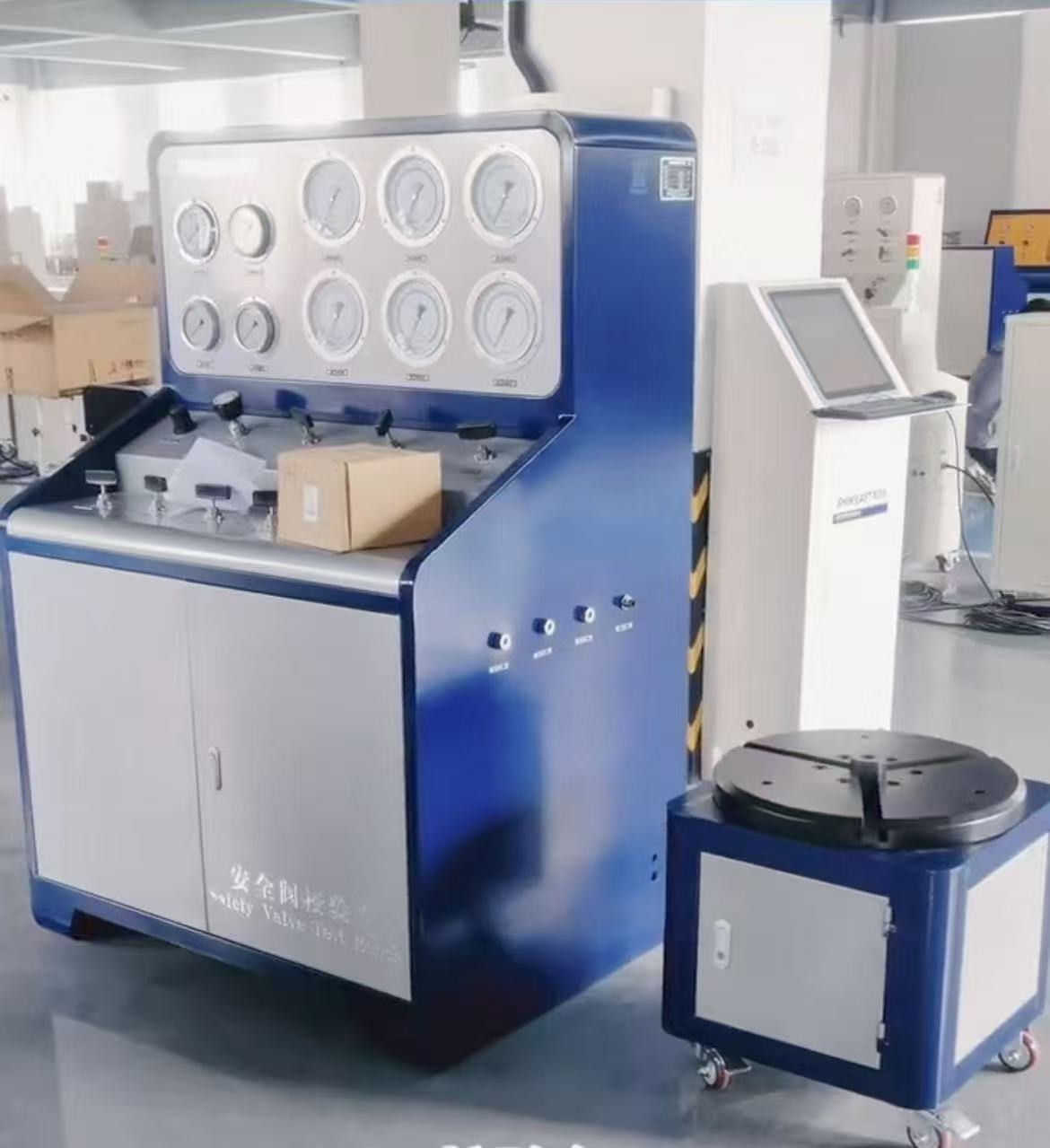
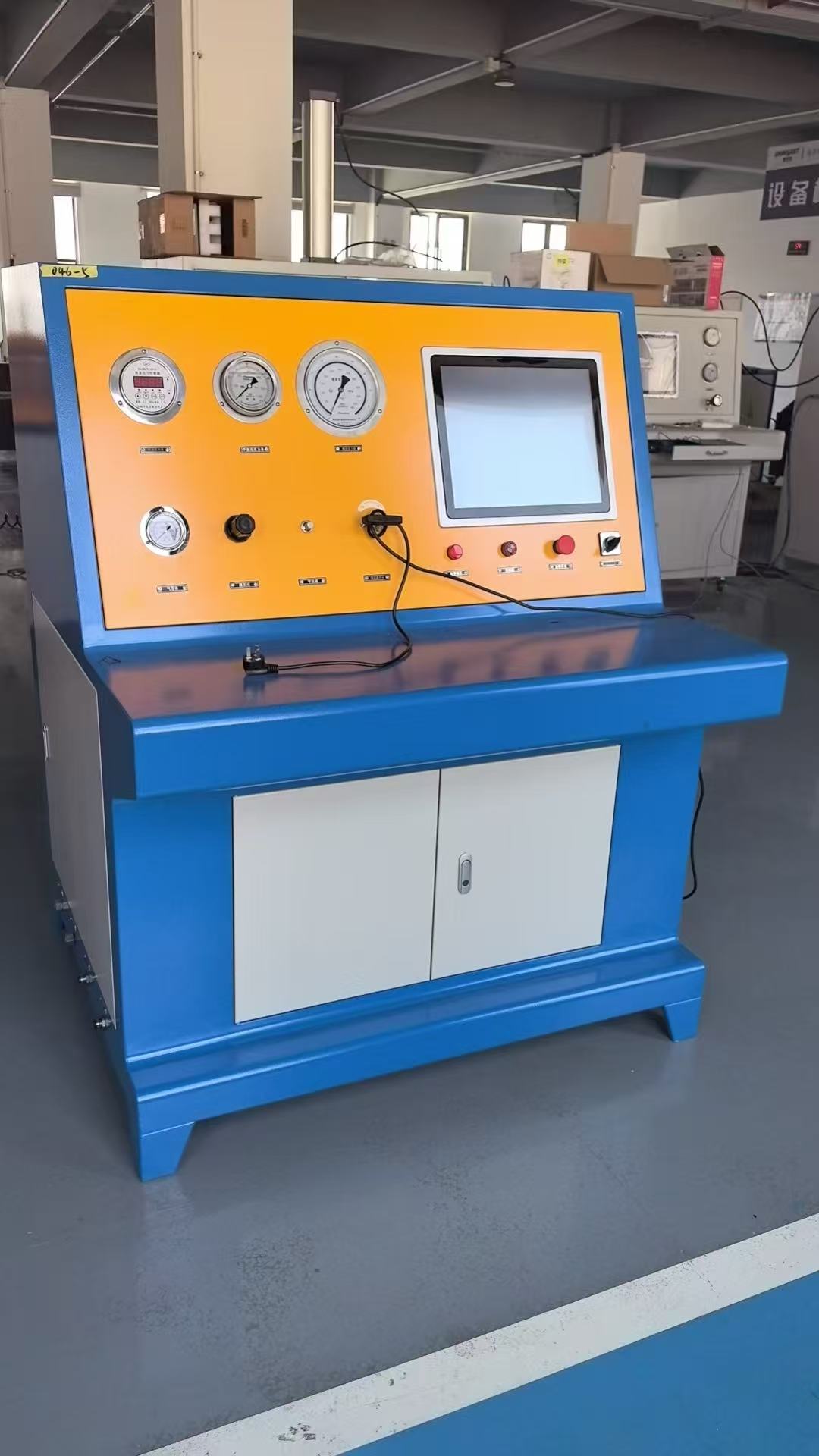
- Hydraulic pressure testing machine — core cylinder inspection equipment for hydrostatic safety testing.
- High-pressure pump — supports test pressure and wash systems when specified.
- Safety valve calibration stand — relief-valve verification for complete job packages.
- Helium leak detector — optional sealing tests for specialty or high-value cylinders.
- Shot blasting / painting room — only when visual restoration is sold as a service.
Centers that later add bottling should not buy filling hardware until inspection throughput is stable. When that day comes, use the gas cylinder filling equipment page for CZ series options.
Production Workflow
A service-oriented inspection workflow typically runs as follows:
- Job intake: Log customer, cylinder ID, diameter and requested tests.
- Visual check / residual handling: Follow local rules before opening the system.
- De-valve: Remove valves; tag unusable parts.
- Clean and dry: Reach dryness criteria before pressurization.
- Hydrostatic test: Run stored recipe; save pressure-time record to the job file.
- Valve calibration / reinstall: Complete safety valve checks and torque records.
- Optional leak or surface work: Only if the work order includes them.
- Release package: Approved cylinders plus documents; rejects with clear reason codes.
Turnaround promises fail when drying or paperwork is ignored in capacity planning. Quote jobs based on the slowest reliable station, not the theoretical maximum of the test bay. Training materials should show new operators how to abort an unsafe cycle, not only how to start one.
For multi-bay centers, separate “dirty” cleaning areas from “clean” release staging. That reduces recontamination and shortens the last meters before customer pickup. More layout notes are collected on the blog.
Applications
Independent requalification workshops
Serve multiple gas brands with mixed diameters and invoiceable test reports.
Gas company safety halls
In-house testing for captive fleets before cylinders return to company filling sites.
Fleet and industrial customers
Workshops dedicated to plant cylinders used in welding, medical or manufacturing supply.
Emerging-market investors sometimes open an inspection center before building a bottling plant. That sequence can work if local demand for requalification exists. Others reverse the order and add inspection after filling growth creates a backlog. Either path can use the same core cylinder inspection equipment list.
Why Choose Our Solution
- Inspection-first scope: We size for jobs and records, not unnecessary filling carousels.
- Report-ready testing: Hydraulic pressure testing machines support documented hydrostatic cycles.
- Modular growth: Add leak detection or surface modules when contracts require them.
- Linked product library: Every station has a detail page for purchasing comparison.
- Export support habits: Voltage, packing and remote guidance for international setup teams.
Purchasing managers can move from this solution page to product pages, then to the inquiry form with a short station wishlist. That path—homepage → solution → products → blog—keeps technical and commercial evaluation aligned.
After commissioning, track average job time, first-pass yield and how often operators override recipes. Rising overrides usually mean fixtures or training need attention before you buy another testing bay. A disciplined center grows by stabilizing process quality, then adding capacity—not the reverse.
FAQ
What cylinder inspection equipment does a safety testing center need?
Usually valve handling, cleaning and drying, a hydraulic pressure testing machine, safety valve calibration, and often leak detection. Surface modules are optional.
Can one center handle LPG and industrial gas cylinders?
Yes when fixtures and recipes cover the ranges. Confirm zoning, residual-gas rules and valve families before mixing fleets.
How is an inspection center different from a filling plant?
Inspection centers sell testing services. Filling plants prioritize bottling accuracy and dispatch. Overlapping machines still need different capacity planning.
Do you provide report-capable testing machines?
Yes. Pressure-time recording with print or export options supports customer job files.
What should purchasing managers include in an RFQ?
Cylinder types, diameters, pressures, jobs per day, report needs, voltage, workshop size, and whether painting is in scope.
Can we expand from inspection into a full refurbishment line later?
Yes. Start with inspection-critical stations, then add blasting and painting using the refurbishment line roadmap.
Related Products & Resources
Request a Cylinder Inspection Center Equipment List
Tell us cylinder types, jobs per day and report needs. We will propose a practical station package.
Submit Inquiry